3D concrete printing (3DCP)
What 3D concrete printing is, how it works and what it delivers. Neolithic Robotic makes custom 3D-printed concrete elements for construction, infrastructure and nature, using industrial robots in Haarlem.
What is 3D concrete printing?
Robotic Additive Construction is what we call our method. Also known as 3D concrete printing or 3DCP.
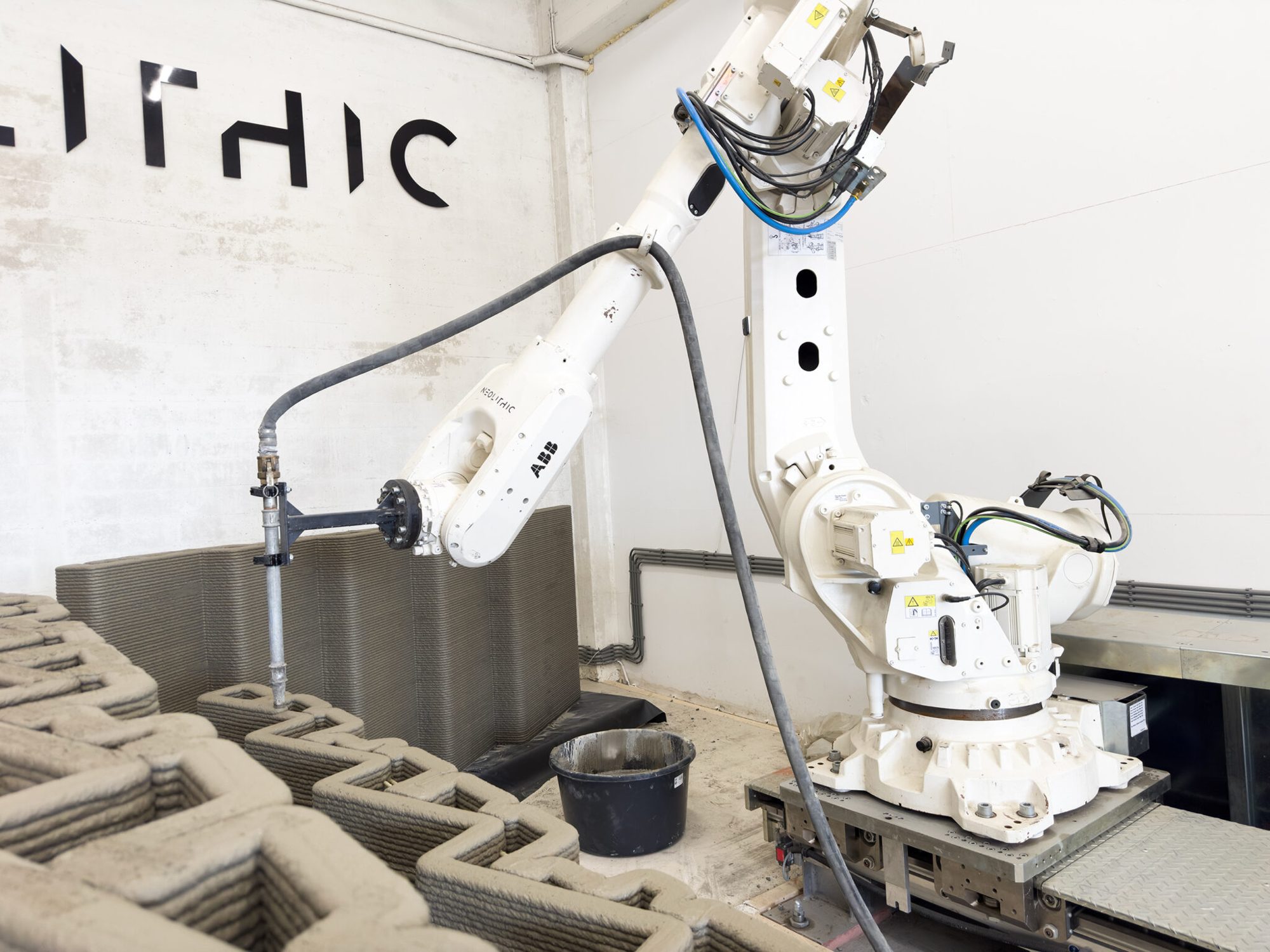
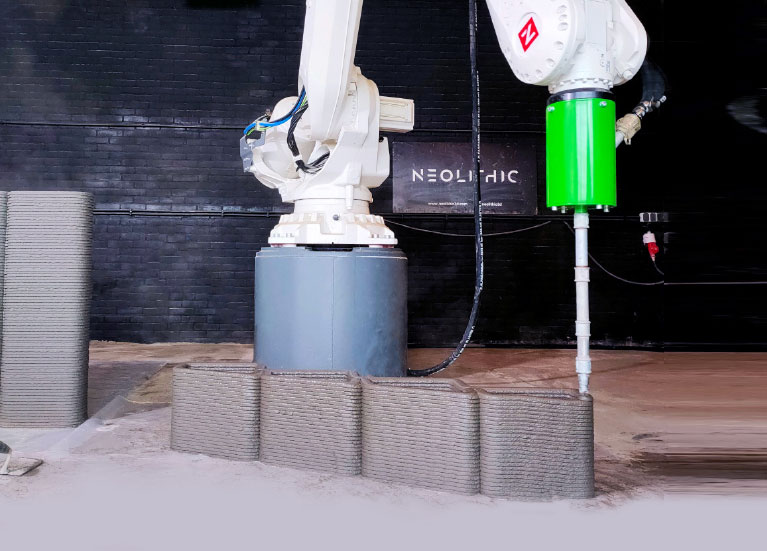
In 3D concrete printing, or 3DCP, a robot builds up an object from thin layers of special mortar. The robot follows a digital design to the millimetre. Because no mould or formwork is needed, every 3D-printed element can have a different shape.
The mortar is formulated so that each layer cures quickly enough to carry the next one. The result is strong, light and material-efficient elements, from a manhole or stair to a vishotel or bench.
How 3D concrete printing works
From digital design to 3D-printed element, in one digital line.
1. Digital design
Every 3D-printed product starts as a parametric model. We adapt size, shape and connections to the site, without a new drawing.
2. Toolpath and G-code
Our own software turns the model into the path the robot follows, layer by layer.
3. 3D concrete printing
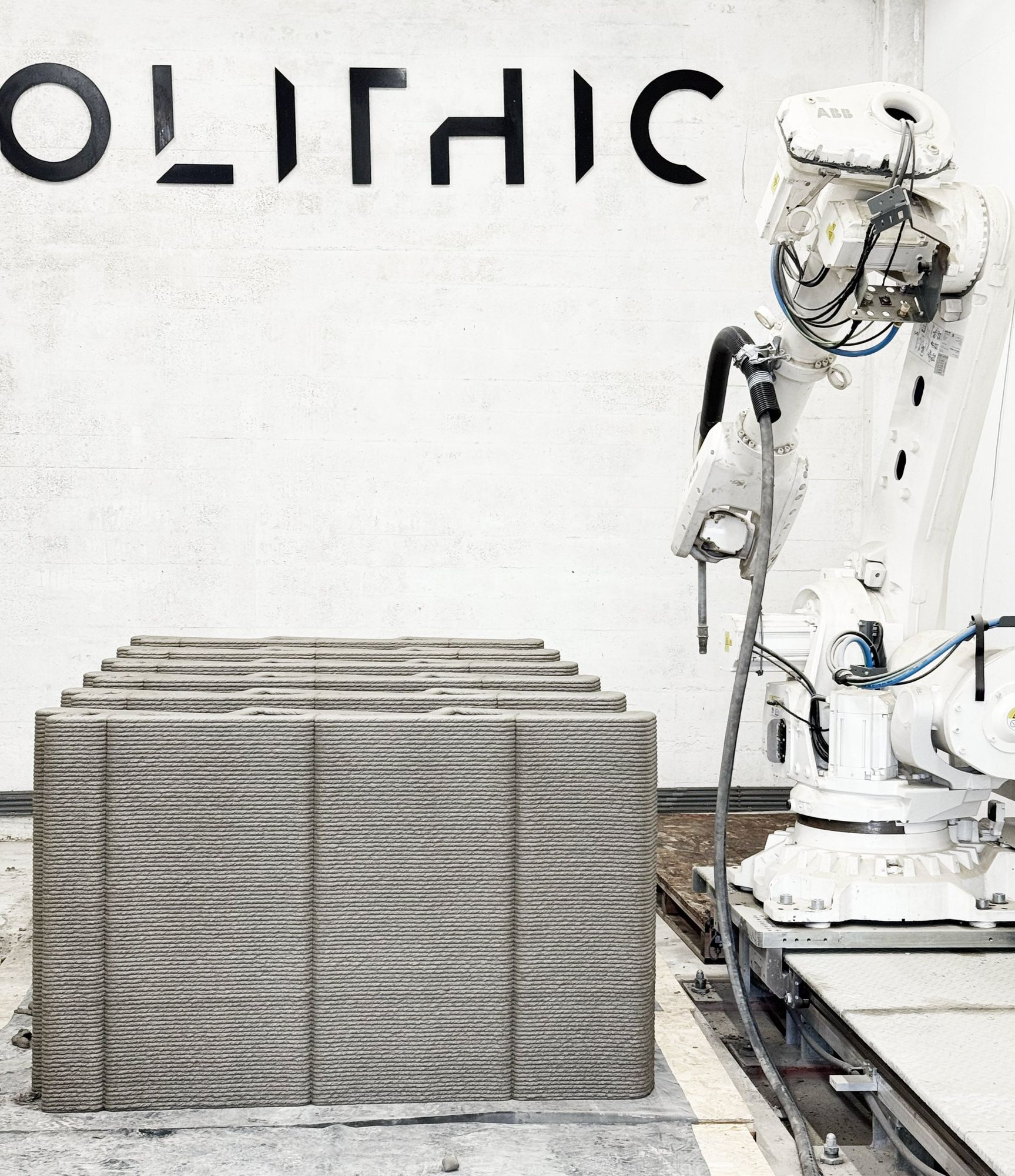
An industrial robot lays a special printable mortar layer upon layer, exactly as designed. No mould or formwork.
4. Curing and installation
After curing, the 3D-printed element goes to site and is installed.
Why 3D-printed concrete?
No moulds needed
3D concrete printing needs no mould or formwork, so every element can be different at no extra cost.
Material only where needed
We only print where the structure needs it, without reinforcement. That saves ± 40-60% material and lowers the environmental cost (MKI).
Custom as standard
A 3D-printed element fits the site exactly: angles, heights and connections are set per piece.
Produced fast
A stair element is printed in ± 20 minutes, a manhole in ± 20 to 60 minutes.
Less manual labour
The robot takes over heavy, repetitive work, keeping custom work feasible while skilled labour is scarce.
Freedom of form
Organic shapes, cavities and patterns that are hard or unaffordable to cast are simply possible with 3D printing.
3D concrete printing versus traditional casting
| Traditionally cast | 3D-printed | |
|---|---|---|
| Mould or formwork | Required, per shape | Not required |
| Custom work | Expensive and slow | Standard, no extra cost for the shape |
| Material use | Solid cast | ± 40-60% less, only where needed |
| Reinforcement | Usually required | Not required |
| Lead time custom manhole | ± 8 weeks | ± 2 weeks |
| Small series | Hard to make profitable | Viable, from 1 to 100+ units |
What we 3D print
3D concrete printing in practice
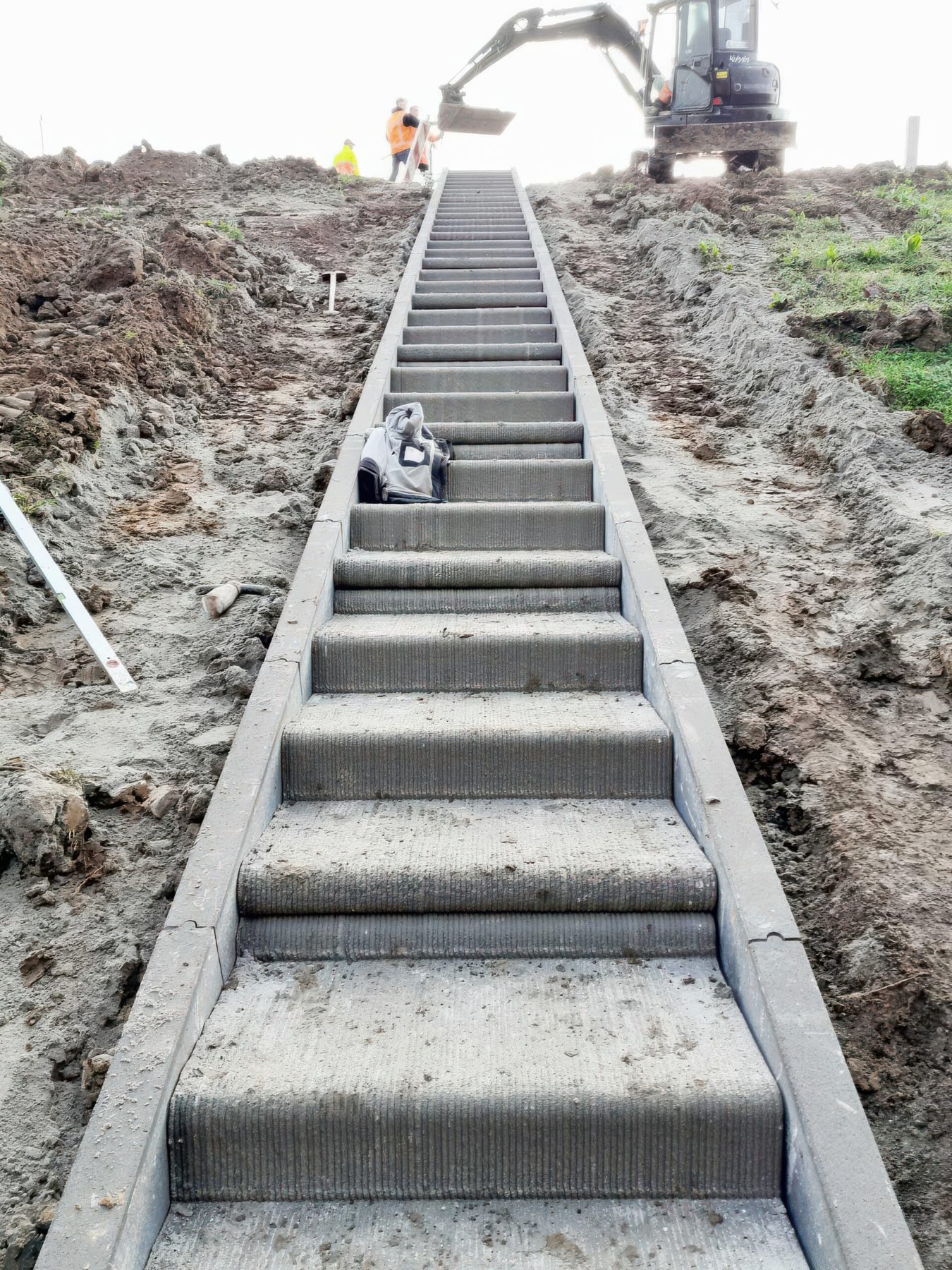
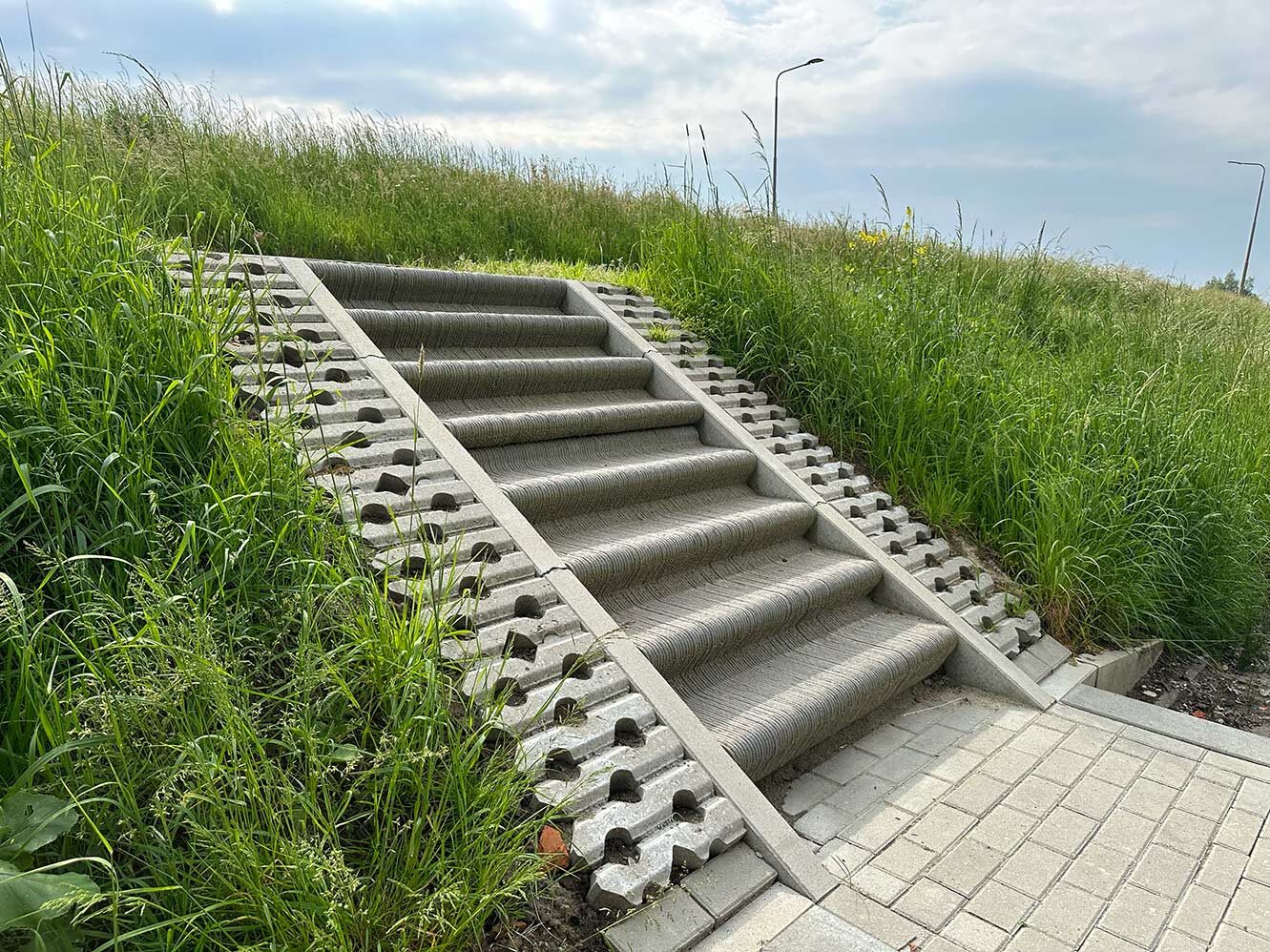
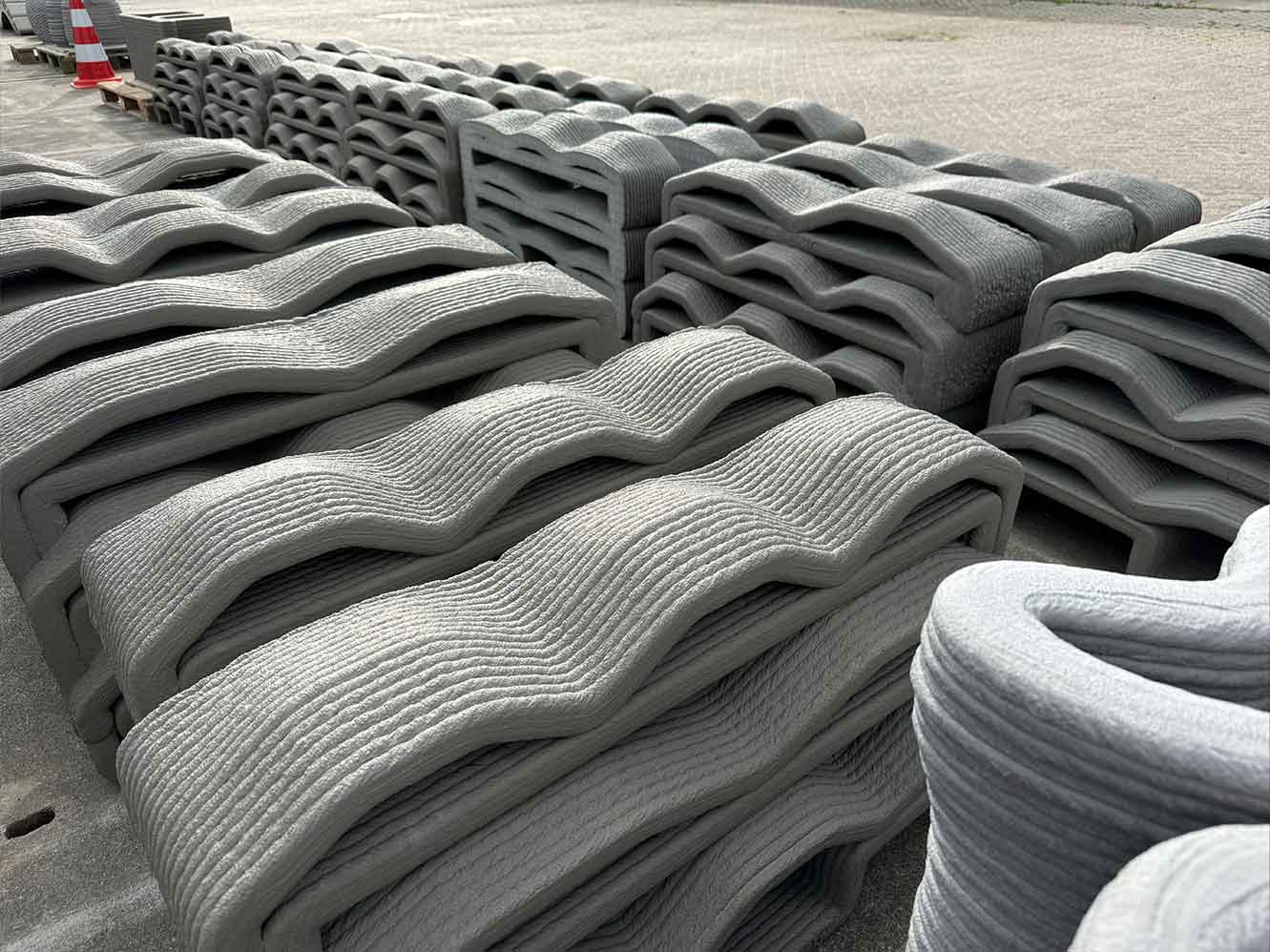
Tiel-Waardenburg dike reinforcement project
A series of robot-made slope stairs for one of the largest dike reinforcements in the Netherlands.
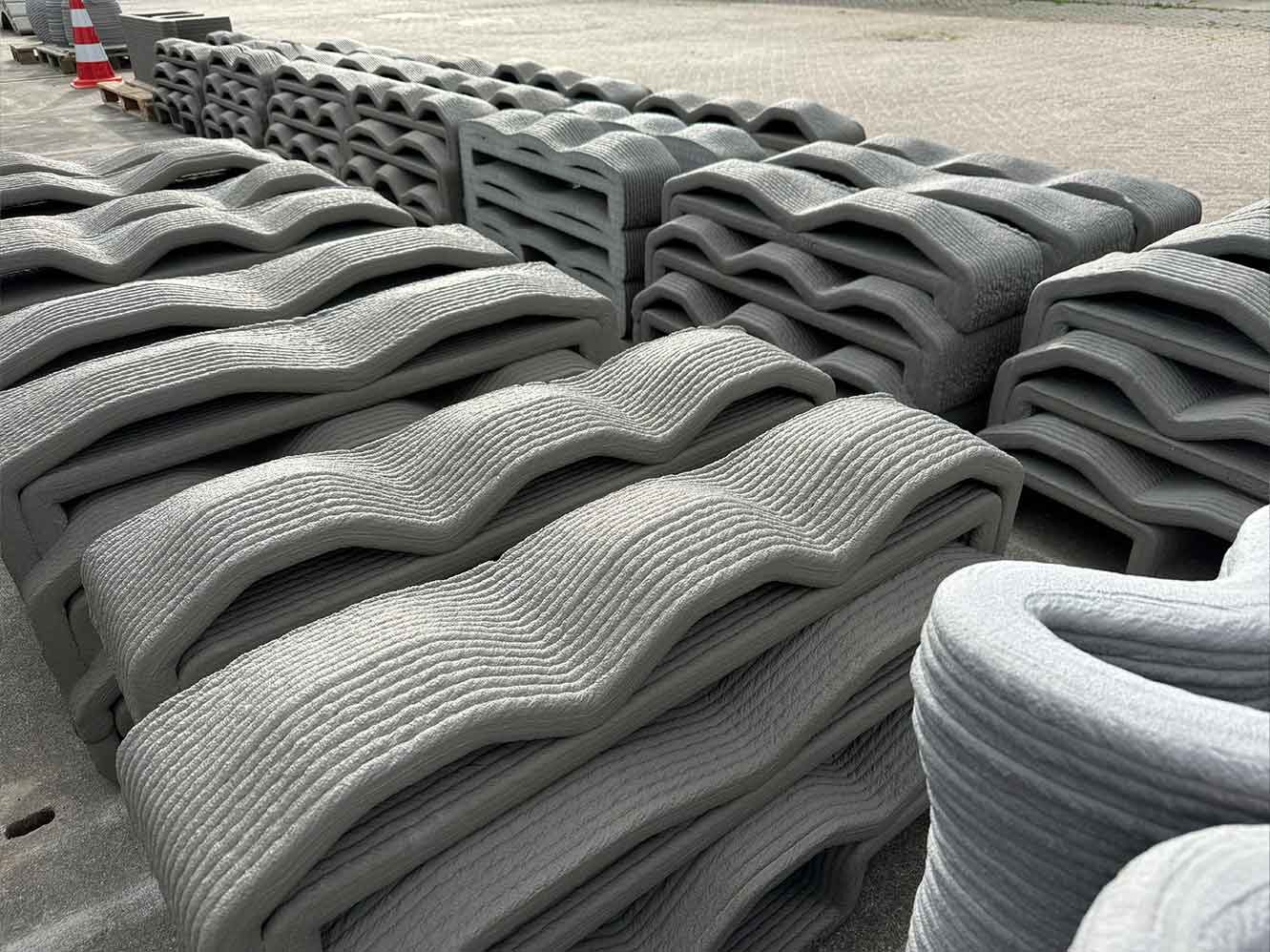
Vishotels Amsterdam & Artis
Custom vishotels in the Amsterdam canals, and now also in the new Artis aquarium.
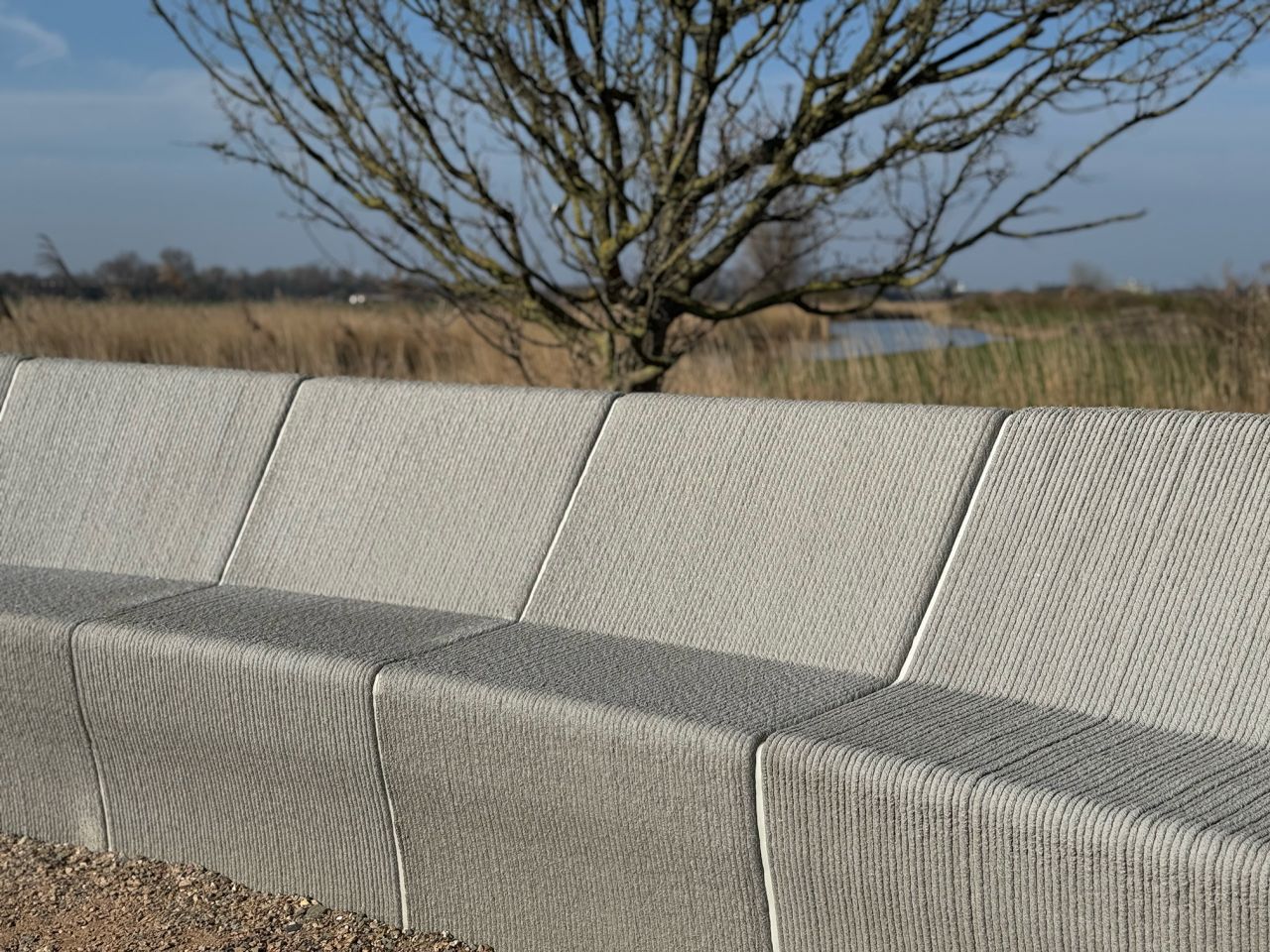
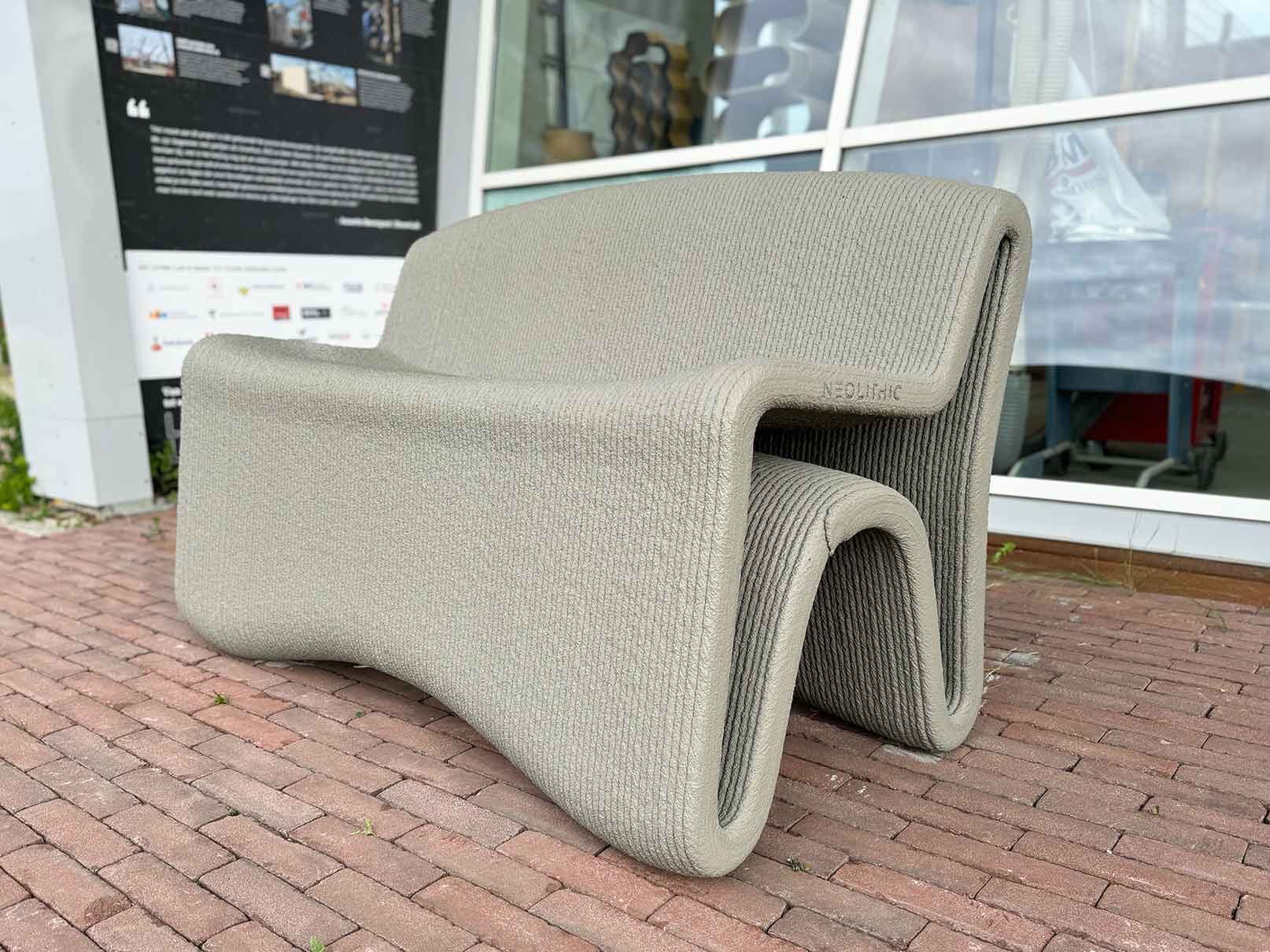
Spaarndamseweg bench
An existing concrete barrier turned into a resting spot, without demolition.
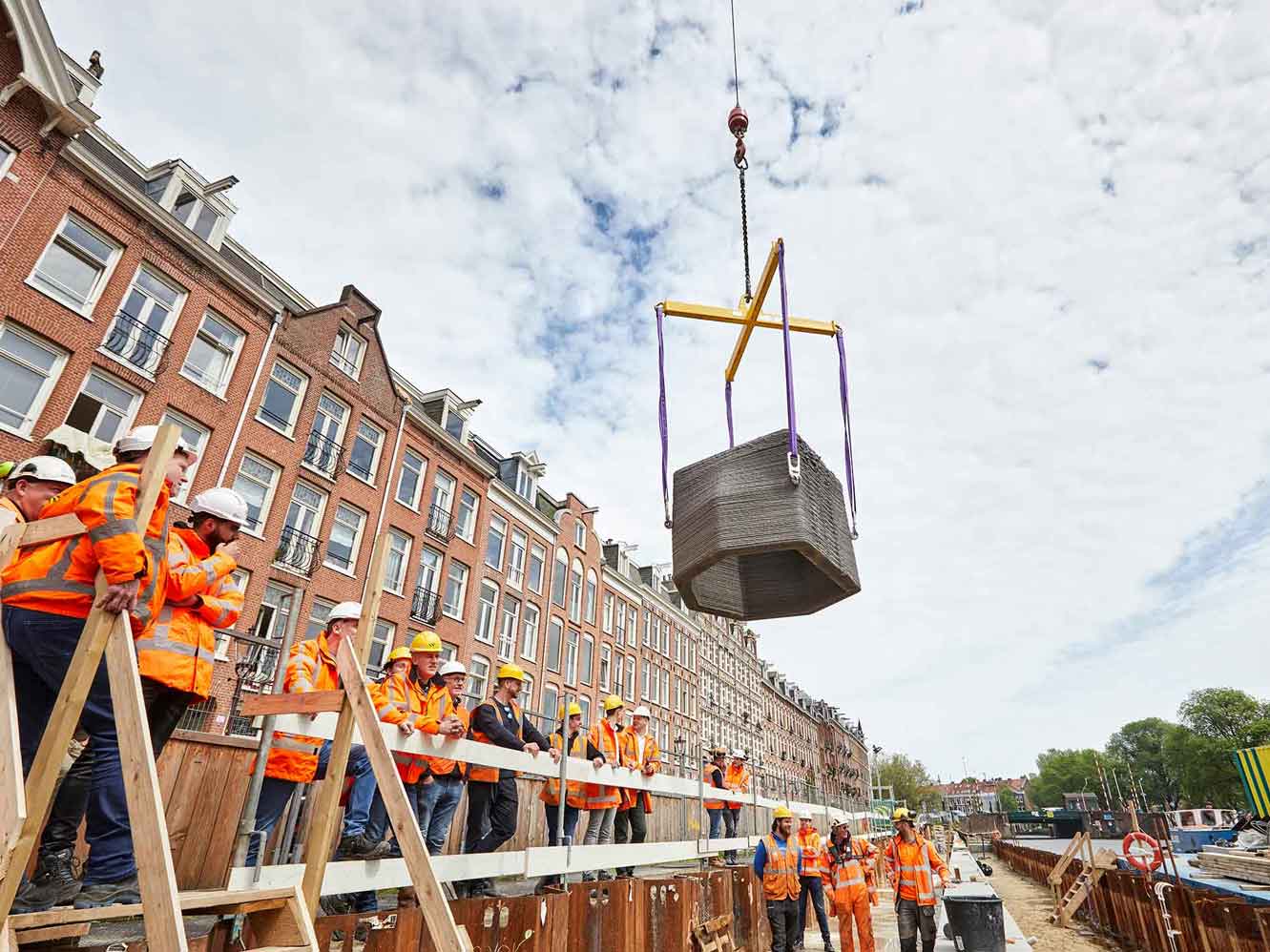
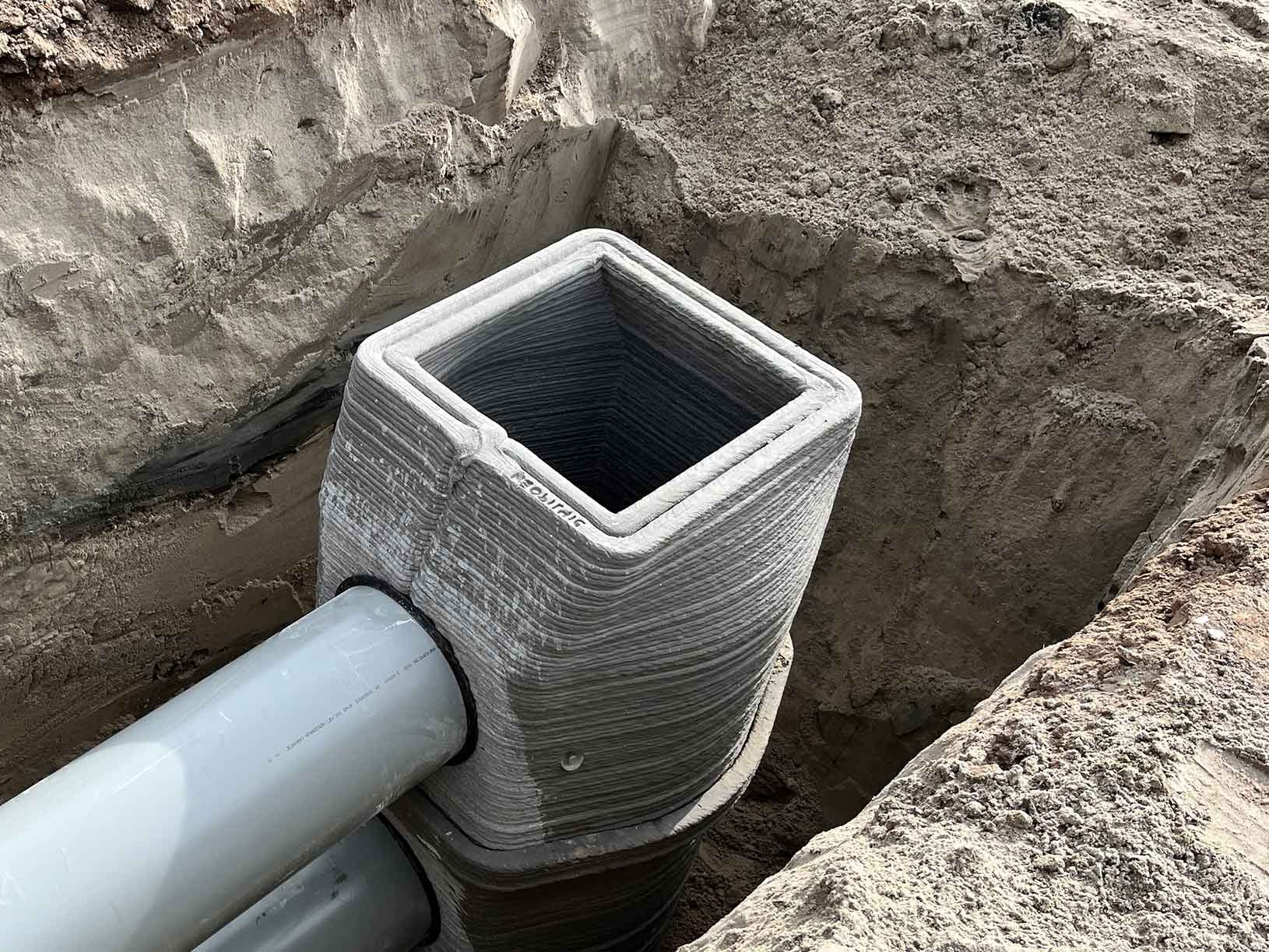
Jacob Catskade manholes
The world's first 3D-printed manholes in a municipal sewer. Winner of the RIONED Innovation Award 2024.
Frequently asked questions about 3D concrete printing
What is 3D concrete printing?
3D concrete printing is a production method in which a robot builds up a printable mortar layer by layer from a digital design. No mould is needed. It is also known as 3DCP.
What is Robotic Additive Construction?
Robotic Additive Construction is the name we use for our method: building up construction elements layer by layer with industrial robots, from a fully digital design. It is also known as 3D concrete printing or 3DCP.
Is 3D-printed concrete strong enough?
Yes. Our 3D-printed stairs are installed on dikes where heavy mowers drive over them, and our 3D-printed manholes are in use in the Amsterdam sewer system. We design each product for the load it has to carry.
Is 3D concrete printing more sustainable?
Often, yes. We only print material where the structure needs it, without reinforcement, and no moulds are left over. That saves ± 40-60% material and lowers the MKI.
What does a 3D-printed product cost?
It depends on shape, size and quantity. For slope stairs you see the price instantly in our Realizer. For other products we quickly prepare a quote. Short production time, less material and easy installation often make the total cheaper than traditional custom work.
How large can a 3D-printed element be?
We print elements up to 3 x 3 x 3 metres. Larger objects are made in parts that are joined on site.
Can you print something other than your products?
Certainly. The robot can make almost any shape. Bring your idea, sketch or challenge and we will explore what is possible.
Where do you print?
In our robot lab in Haarlem. From there we deliver across the Netherlands.
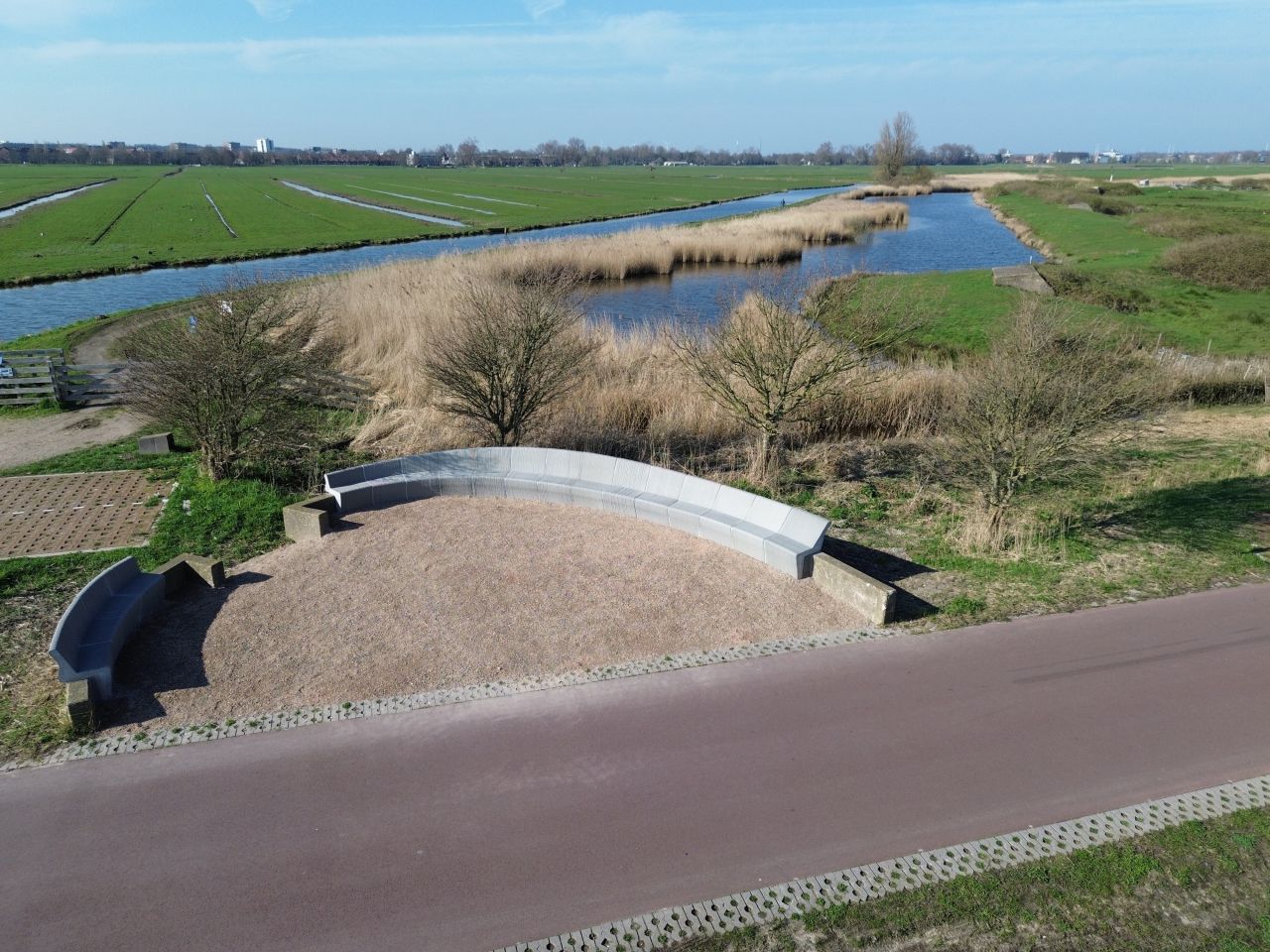
What shall we build together?
Municipality, water authority or contractor with a challenge in public space? We are happy to help, from feasibility to delivery.